The UK steel market is entering a period of significant change.
After several years of volatility driven by energy costs, global supply chain disruption, inflation and geopolitical uncertainty, 2026 is shaping up to be a year where buyers must balance opportunity with caution.
While steel prices have generally become more stable compared to the extreme fluctuations experienced in recent years, a number of factors are likely to influence pricing, availability and lead times throughout the remainder of 2026.
For procurement teams, fabricators, manufacturers and contractors, understanding these market forces can help reduce risk and improve purchasing decisions.
Why Steel Prices Remain Unpredictable
Unlike many commodities, steel prices are influenced by a combination of global and domestic factors.
These include:
- Raw material costs
- Energy prices
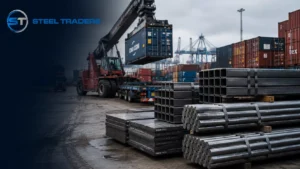
- Freight and shipping costs
- Currency exchange rates
- Government trade policies
- Global manufacturing demand
- Construction activity
- Steel production capacity
Because these variables can change rapidly, steel pricing often reflects wider economic trends rather than simply supply and demand within the UK market.
The Impact of New UK Import Measures
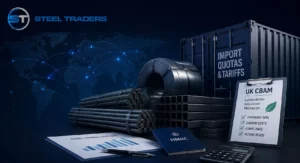
One of the biggest developments for UK steel buyers in 2026 is the introduction of new steel import measures from 1 July 2026.
Under the proposed framework, tariff-free import quotas will be significantly reduced, and steel imported above quota levels could face tariffs of up to 50%. The measures are designed to protect UK steel production from global overcapacity and low-cost imports.
For buyers, this could result in:
- Increased pressure on imported steel prices
- Greater competition for available stock
- Changes in sourcing strategies
- Longer procurement lead times for certain products
The full impact remains uncertain, with ongoing discussions around exemptions and implementation details, but most industry observers expect the measures to provide support for pricing during the second half of the year.
Are Steel Prices Expected to Rise?
The short answer is: modestly.
Many market forecasts suggest that 2026 will be considerably more stable than previous years, with gradual upward pressure rather than dramatic spikes. Merchant bars, structural products and general steel sections are expected to remain relatively firm as supply conditions tighten and trade protections take effect.
Several factors are supporting prices:
1. Reduced Import Volumes
With lower tariff-free quotas available, imported steel may become more expensive once allocation limits are reached.
2. Improving Demand
Industry forecasts indicate that European and UK steel consumption could begin recovering during 2026, supported by infrastructure investment, defence spending and industrial activity.
3. Domestic Production Support
The UK Government continues to prioritise steel manufacturing through its broader steel strategy, creating additional support for domestic supply chains.
What Could Push Prices Down?
While there are reasons for cautious optimism, several factors could still place downward pressure on steel prices.
Global Overcapacity
The steel industry continues to face significant excess production capacity worldwide. Additional capacity is expected to come online over the next few years, particularly in Asia and the Middle East.
Weak Construction Activity
Many international construction markets remain subdued, limiting overall demand growth. Global steel demand forecasts for 2026 have already been revised lower due to economic uncertainty and geopolitical events.
International Competition
Global producers continue to compete aggressively for market share, which can place downward pressure on pricing where import routes remain viable.
What This Means for Buyers
For most businesses, 2026 is unlikely to be a year of dramatic price crashes or sudden shortages.
Instead, buyers should prepare for:
- Relatively stable pricing with modest upward pressure
- Product-specific fluctuations
- Longer lead times on certain imported products
- Increased importance of supplier relationships
- More emphasis on forward planning
The organisations that typically achieve the best outcomes are those that actively manage procurement rather than waiting for market conditions to dictate purchasing decisions.
Five Ways to Manage Steel Procurement More Effectively
Plan Further Ahead
Early forecasting allows buyers to secure material before market conditions change.
Avoid Last-Minute Ordering
Urgent procurement often limits supplier options and increases costs.
Review Specifications Carefully
Over-specifying material can unnecessarily increase project costs.
Monitor Market Developments
Trade measures, tariffs and supply chain changes can have a direct impact on procurement budgets.
Work With Experienced Suppliers
Reliable supply partners can often provide access to alternative sourcing routes, better availability and valuable market insight.
How Steel Traders Can Help
At Steel Traders, we work with customers across construction, manufacturing, engineering and industrial sectors to help navigate changing market conditions.
Our product range includes:
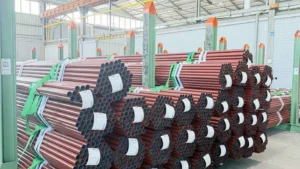
- Gas & Water Tubes
- Tubes & Hollows
- API Range | Seamless & Welded
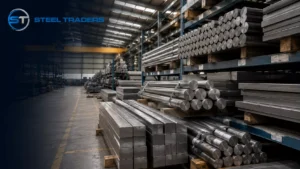
- Merchant Bars
- Engineering Bars
By combining global sourcing expertise with responsive customer service, we help businesses secure the steel products they need while managing cost, availability and lead-time challenges.
Looking Ahead
While no one can predict steel prices with complete certainty, the outlook for 2026 suggests a market that is becoming more stable, but not necessarily cheaper.
Trade measures, recovering demand and evolving supply chains are likely to support pricing through the remainder of the year, making proactive procurement more important than ever.
Speak to Steel Traders
If you would like to discuss current steel market conditions, upcoming project requirements or steel availability, contact Steel Traders today.
Our team can help you source the right steel products at the right time, helping you keep projects moving and budgets under control.